


Man vs Bear Debate: Dating Trust, Social Contexts, and Rebuilding Confidence
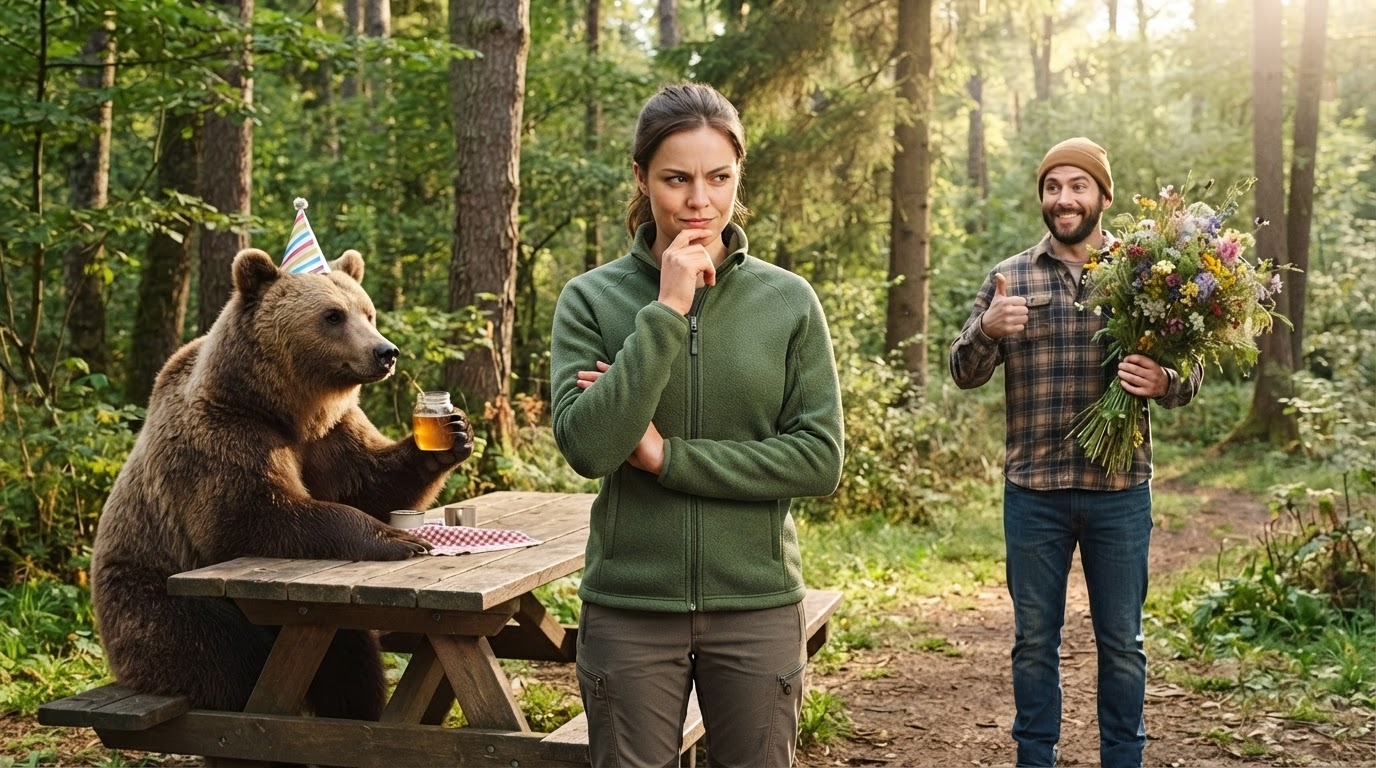

Would you feel safer alone in the woods with a man or with a bear? This provocative question, known as the Man vs Bear debate, has caught the attention of millions online and has become a recurring theme in dating advice and social commentary. By unpacking the origins, meanings, and practical implications of this debate, we can better understand the underlying issues of trust and safety that shape modern relationships—and explore what it takes to restore genuine confidence between women and men.
Origins and Evolution of the Man vs Bear Debate
The Man vs Bear debate began as a social media meme, but its rapid spread reveals deeper anxieties and perceptions. The question first gained traction on TikTok and Twitter, where women were asked whether they would feel safer alone in the woods with a random man or a bear. While initially framed as a hypothetical, the overwhelming number of women choosing the bear over the man quickly became a topic of debate and analysis.
Specific examples from viral TikTok videos show women explaining their choice by referencing real-world experiences and broader social concerns. One woman cited news stories about violence against women in isolated environments, while another referenced the unpredictability of human intentions compared to animal behavior. The meme’s popularity is reflected not only in millions of views and shares but also in the proliferation of spin-off discussions, memes, and think pieces across platforms.
The debate’s persistence in search results demonstrates its resonance with ongoing questions about safety, trust, and dating culture. It has become a shorthand for expressing concerns about vulnerability, particularly in unfamiliar or uncontrolled settings.
The Man vs Bear question taps into real anxieties about personal safety and trust, especially in the context of dating and gender relations. For many women, the instinct to choose the bear is not about preferring wild animals but about a learned caution toward unfamiliar men in isolated environments.
Several scenarios illustrate this dynamic:
- A woman considering a late-night walk home may weigh the risks of encountering a stranger versus the unpredictability of wildlife.
- In dating advice forums, users discuss strategies for meeting new people in public places, reflecting a preference for controlled, social settings over private or secluded ones.
- Social media commentary often highlights how media coverage of violence can amplify fears, shaping perceptions even when statistical risks are low.
Comparative analysis shows that the debate is less about bears and more about the socialization of caution. The meme’s viral spread underscores a collective awareness of the need for vigilance, particularly among women navigating dating and social interactions.
Social platforms like TikTok, Twitter, and Instagram have played a crucial role in amplifying the Man vs Bear debate. Memes and viral videos distill complex feelings about safety and trust into shareable, relatable content. The original question has spawned countless variations, with users remixing, debating, and satirizing the topic.
For example, one popular TikTok trend features women explaining their reasoning in detail, often referencing personal anecdotes or high-profile news stories. Another meme format involves juxtaposing images of men and bears with captions highlighting the perceived risks or benefits of each choice.
This meme-driven discourse has influenced not only individual attitudes but also broader cultural conversations about dating, gender, and trust. The rapid spread and adaptation of the debate illustrate how social media can both reflect and shape collective anxieties.
Rebuilding Trust: Practical Steps for Changing the Narrative
Addressing the underlying issues in the Man vs Bear debate requires more than dismissing fears or offering generic reassurances. Practical, visible actions are needed to rebuild trust and change perceptions.
Key scenarios for progress include:
- Men demonstrating respect for boundaries in both public and private settings, such as offering to meet in well-lit, populated areas or openly communicating intentions.
- Dating advice emphasizing transparency, consent, and ongoing dialogue, rather than relying on assumptions or social scripts.
- Community initiatives that foster safe spaces, support bystander intervention, and encourage accountability.
Comparative perspectives from dating advice highlight that trust is not restored through words alone but through consistent, observable behavior. When women see men prioritizing safety and respect, the perceived gap between „man“ and „bear“ narrows, making it more likely for women to feel comfortable choosing human companionship—even in unfamiliar environments like the woods.
Moving Forward: Choosing Trust Over Fear in Dating Dynamics
The Man vs Bear debate is more than a meme—it is a reflection of real concerns about safety and trust in modern dating. By understanding the origins and social context of this question, and by focusing on concrete actions that build confidence, it becomes possible to shift the narrative. Creating environments where women can genuinely trust men—not just in the woods, but in all settings—requires ongoing effort, communication, and accountability. For those invested in healthier dating dynamics, the challenge is clear: move beyond debate and meme to foster real, lasting trust.
Related Posts


