


Kiss on First Date: Yes or No?
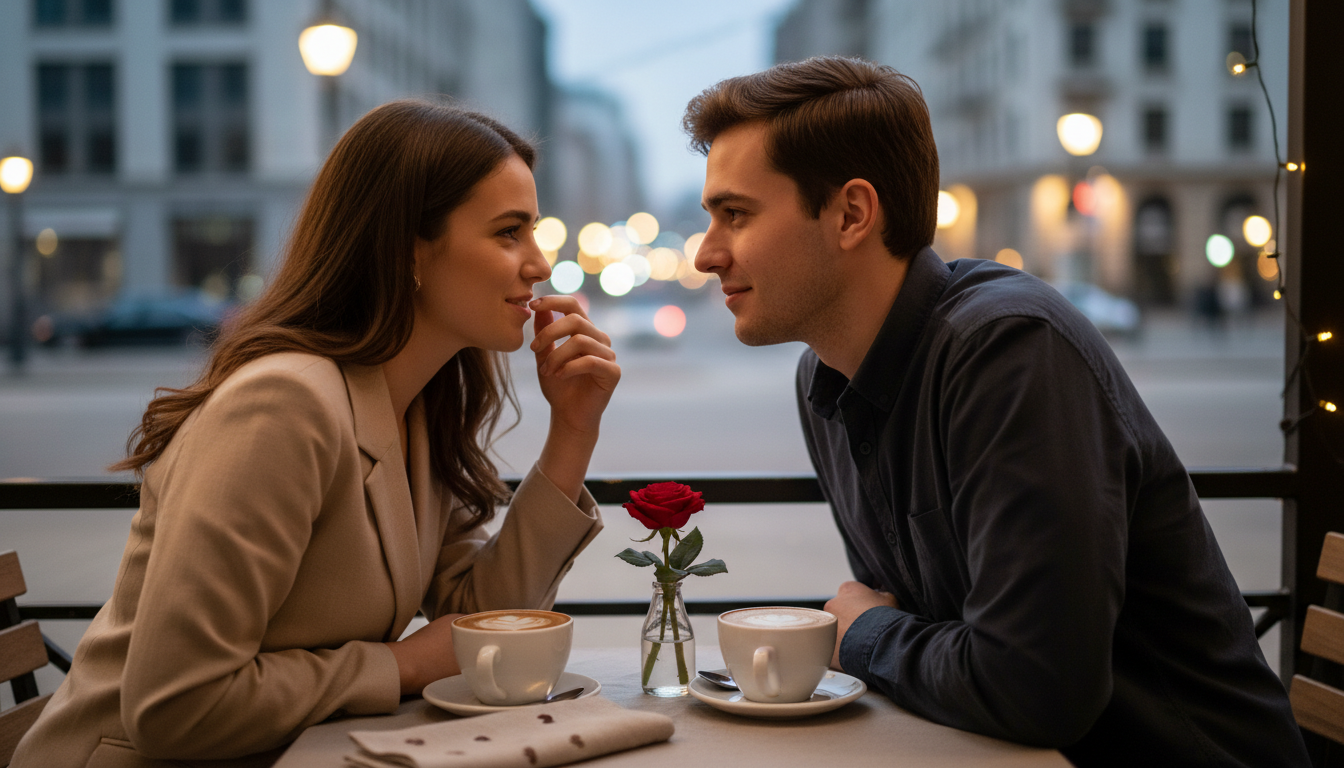

What does a kiss on a first date really mean, and how do you know if it’s the right move for you? The decision to initiate or accept a first date kiss often depends on your own feelings, the signals you receive, and the context of the moment. Understanding the possible outcomes and recognizing your boundaries can help you navigate this situation with clarity and confidence.
Understanding Chemistry and First Date Dynamics
The initial moments of a first date can set the tone for what follows, and the question of kissing often arises when there is an undeniable chemistry. Physical attraction might be evident through touch, sustained eye contact, or the way conversation flows effortlessly. For example, if you find yourself leaning in during a conversation, sharing genuine laughter, or noticing subtle gestures like a hand on your arm, these can indicate mutual interest. However, chemistry does not guarantee that both people feel ready for a kiss. Sometimes, even with a strong connection, one or both individuals may prefer to wait, valuing emotional comfort over physical progression. Comparing two scenarios—one where a couple shares a spontaneous kiss after a lively evening, and another where both agree to take things slow—shows that the decision is rarely about right or wrong, but about what feels authentic in the moment. Recognizing these signals helps you gauge whether a kiss aligns with your mutual feelings or if it might feel rushed.
Emotional Readiness and Personal Boundaries
Feeling ready for a kiss on a first date is highly individual and influenced by personal values, past experiences, and expectations for the relationship. Some people view a kiss as a natural way to express attraction and test compatibility, while others see it as a significant step that should follow deeper emotional connection. For instance, if you have recently exited a long-term relationship, you may be more cautious about physical intimacy, preferring to establish trust before engaging in kissing. On the other hand, if you are exploring casual dating, you might approach the situation with more openness to spontaneous moments. Experts often suggest reflecting on your comfort level before the date begins, considering what you hope to gain from the encounter, and preparing to communicate your boundaries if needed. This proactive approach enables you to stay true to yourself and avoid situations where you feel pressured or uncertain.
Interpreting Signals and Communicating Intentions
Reading your date’s signals and communicating your own intentions are crucial in determining whether a kiss is appropriate. Nonverbal cues, such as leaning closer, maintaining eye contact, or mirroring body language, can indicate interest. However, these signals are not always clear-cut. For example, a person may appear physically engaged but still not feel ready for a kiss due to nerves or uncertainty. In such cases, a brief pause or a gentle question—like “Would it be okay if I kissed you?”—can clarify intentions without breaking the moment. This approach respects both individuals’ feelings and helps prevent misunderstandings. Conversely, if signals are mixed or if either person hesitates, it may be better to wait and allow trust to develop over time. Comparing different approaches—such as acting on impulse versus seeking explicit consent—highlights the importance of mutual understanding and respect in early dating interactions.
Impact of a First Date Kiss on Relationship Progression
The decision to kiss on a first date can influence the trajectory of a budding relationship, but its significance varies based on expectations and context. For some, a kiss marks the beginning of deeper connection and signals mutual interest, potentially accelerating emotional intimacy. For others, it may introduce uncertainty or prompt questions about the seriousness of the relationship. For example, a first date kiss that feels natural and reciprocated can create excitement and anticipation for future encounters, while a kiss that feels forced or premature might lead to awkwardness or hesitation in subsequent interactions. Some people find that delaying physical intimacy allows for stronger emotional bonds, while others believe that early kissing helps clarify compatibility. Understanding these differing perspectives can guide you in making choices that align with your relationship goals and personal values.
Practical Scenarios: Deciding When to Kiss
Applying these considerations to real-life dating scenarios can clarify your decision-making process. Imagine you are on a date where conversation flows easily, laughter is shared, and there is clear mutual attraction. In this situation, a kiss at the end of the evening may feel like a natural extension of your connection. Alternatively, if the conversation is pleasant but there is uncertainty about chemistry or future interest, you might choose to end the date with a friendly hug or verbal affirmation instead. In another scenario, you may feel ready but sense hesitation from your date, prompting you to prioritize their comfort and wait for a future opportunity. Evaluating the moment, your feelings, and the signals you receive allows you to make a choice that feels right for both of you. This decision-making process is not about following universal rules but about honoring individual preferences and the unique dynamics of each date.
Conclusion
Deciding whether to kiss on a first date is less about following social norms and more about understanding your own feelings, reading the situation, and respecting boundaries—both yours and your date’s. By staying attuned to chemistry, communicating openly, and considering the potential impact on your relationship, you can make choices that reflect your intentions and foster genuine connections. Trust your instincts, prioritize comfort, and remember that every first date offers an opportunity to learn about yourself and what you value in a relationship. If you’re interested in more practical dating insights and expert perspectives, explore additional resources or connect with dating professionals for personalized guidance.
FAQ About Kissing on the First Date
Related Posts


