


How to Make a Long-Distance Relationship Work When You Met Online?
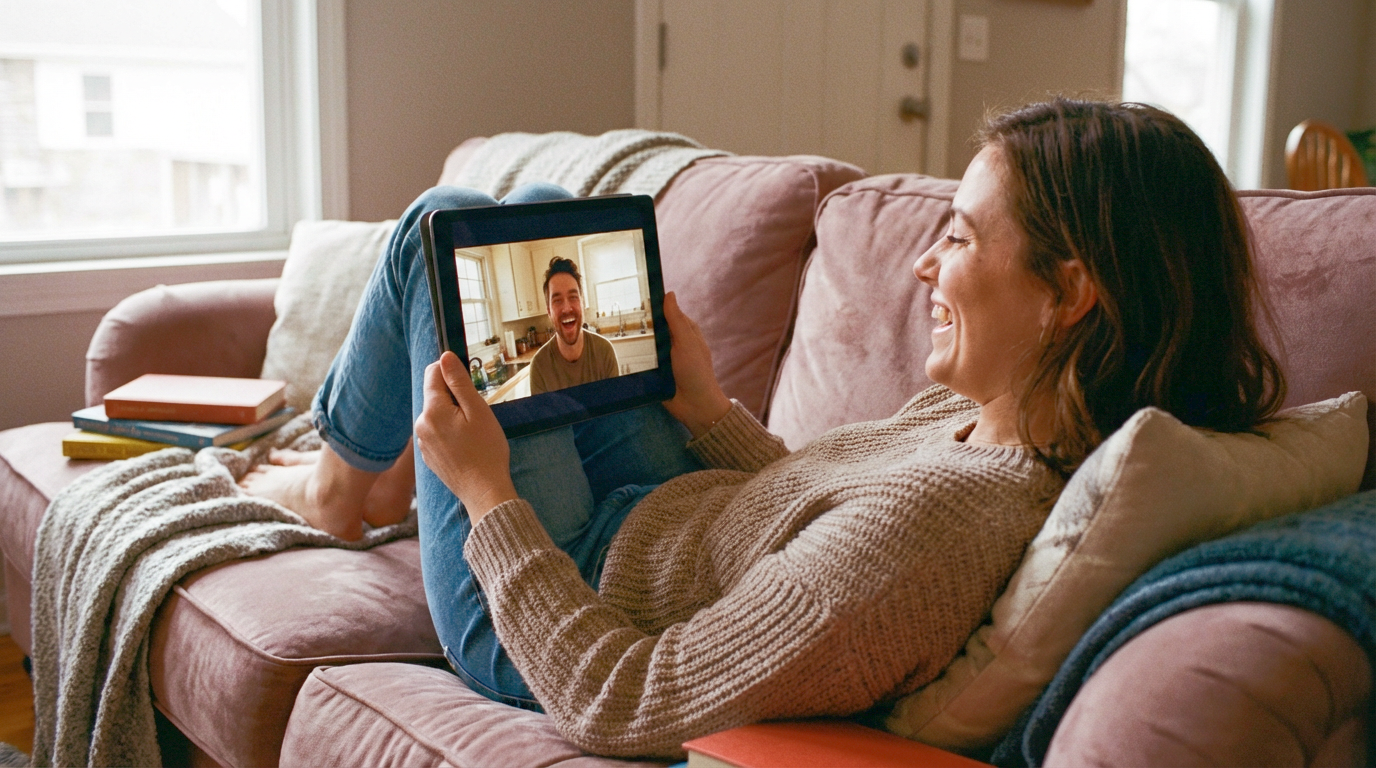

This practical guide shows you how to build trust, set healthy boundaries, and create a real-life plan for a long-distance relationship that started online. You get clear steps for communication across time zones, mental health care, conflict repair, safe first meetings, and shared goals. If you met on freshSingle, you can use the 100% free chat and messaging system to stay connected — no hidden costs.
Key Tips to Make an Online Long-Distance Relationship Actually Work
You can make an online-origin long-distance relationship work by setting a realistic communication schedule, agreeing on boundaries, and checking in on progress. In simple terms, you need trust, routine, and a clear timeline for visits and closing the distance. Use words of affirmation wisely, care for your mental health, and handle conflict with simple repair rules. If you need support, try online couples therapy and keep your steps transparent. Sign up free on freshSingle to meet someone special or to keep your bond strong with easy, cost-free messaging.
What Makes an Online-Origin Long-Distance Relationship Unique?
A long-distance relationship (online-origin) is a bond that starts on the internet and builds through digital contact before in-person meetings. In simple terms, you build connection through messages, voice notes, and video calls rather than daily life together. Many couples ask how to balance excitement with patience while building something real. The unique dynamic is that trust grows from words, consistency, and transparency.
This uniqueness matters because early signals — response time, tone, and openness — carry more weight when you cannot meet yet. How to approach this is simple: focus on reliability and clear expectations for communication and future plans. The risk is reading too much into small cues or filling gaps with assumptions. A helpful decision frame is: Does this behavior increase clarity and care, or does it create doubt and confusion?
Here is a concrete example that shows the dynamic. You match on freshSingle, chat daily for two weeks, and move to video calls twice a week. You both share your routine and set a plan to meet in three months if things feel right. This path shows steady progress without pressure.
Apply this by aligning on three basics early: intent, cadence, and safety. Say what you want, agree on how often you will talk, and plan how to verify identity before meeting. If you are still looking for someone who fits your rhythm, use freshSingle’s search to find local or international matches — 100% free.
How Can You Set a Communication Schedule Across Time Zones?
A communication schedule is a simple plan that sets when and how you talk across different time zones. In simple terms, it is a shared calendar with best windows for text, voice, and video. Many couples ask, What is the best time to video call across time zones for online couples? The answer is to pick overlap slots that respect sleep, work, and life.
This is relevant because time zone coordination reduces missed calls, stress, and overthinking. When both of you know the next touchpoint, anxiety drops and closeness grows. A frequent decision rule is: If a call time hurts your sleep or performance, it is not sustainable. How to approach this is to start with two short calls on weekdays and one longer call on the weekend.
Here is an example with a simple time zone strategy. If you live in New York and your partner is in Berlin, weekday 8:00–8:30 AM ET and 6:00–6:30 PM CET can work for quick check-ins. A Sunday 10:00 AM ET / 4:00 PM CET video window gives space for deeper talks. This mix sets a healthy cadence and keeps both routines intact.
Apply this by blocking three recurring slots and agreeing on response time norms. Say, “I reply within 12 hours on weekdays and by noon on weekends,” so both of you know what to expect. Use freshSingle’s chat for daily notes and schedule your video calls with a shared calendar app. If you ask How can we set a communication schedule that respects both time zones and work-life balance, start small and adjust every two weeks.
How Often Should You Text and Use Words of Affirmation?
Communication cadence means how often you text, call, and share updates, plus how you use love languages like words of affirmation. In simple terms, you want enough contact to feel close without turning texting into pressure. Many couples ask how often to text and how to use affirming words without sounding routine. The key is quality over quantity and honest feedback.
This matters because texting styles vary and misunderstandings grow fast at a distance. How to approach this is to agree on a daily baseline and a flexible “more if you want” option. A common risk is flooding the chat when anxious, which can push the other person away. A simple decision help is: Will this message add clarity and warmth, or is it seeking instant reassurance?
Here is an example with affirmation done right. You send one thoughtful morning text and one short day recap, plus a midweek voice note that says what you appreciate about your partner. You avoid double-texting if there is no reply yet and trust the agreed window. This shows care without pressure.
Apply this by testing a 2–2–1 rhythm: two short texts a day, two voice notes a week, one longer video call on the weekend. Add intentional words of affirmation like, “I admire how you handle tough days,” tied to a real detail. If you wonder how often should people in long-distance relationships text and use words of affirmation, start with this rhythm and adjust based on comfort.
Which Boundaries and Expectations Keep Trust Strong?
Boundaries (digital and relational) are clear lines about privacy, exclusivity, social media, and response norms. In simple terms, boundaries protect your energy and define what is okay. Many couples ask which expectations to set before meeting offline. The pillar here is transparency without control.
This is relevant because online-origin relationships face extra uncertainty. How to approach this is to agree on topics like dating exclusivity, posting photos, and sharing private details. A risk is monitoring behavior instead of communicating needs, which erodes trust. A helpful decision frame: Does this boundary support respect and safety for both of us?
Here is a practical example that aligns expectations. You agree to exclusivity after four weeks, keep couple posts private until the first meeting, and avoid sharing screenshots of chats. You also decide to tell each other if you reconnect with an ex or get a DM that crosses a line. This reduces guesswork and builds trust.
Apply this by writing a short boundaries list in your chat. Include privacy limits, social media behavior, and conflict contact rules. If you ask which boundaries and expectations should we agree on before meeting offline, start with exclusivity, safety, and respectful online conduct.
How Do You Manage Anxiety and Protect Your Mental Health?
Mental health and anxiety management is the practice of keeping your mind steady when distance creates uncertainty. In simple terms, you build routines that calm your body and clarify your thoughts. Many ask, how to deal with anxiety in a long-distance relationship you started online? The answer is to pair self-care with shared coping.
This matters because overthinking grows in silence or unclear plans. How to approach this is to track triggers, use grounding tools, and name needs without blame. A risk is making your partner your only regulator, which adds pressure. A good decision help is asking, do I need a self-soothing step first or a relationship step now?
Here is a simple example of shared coping. You notice Sunday nights trigger worry, so you add a Sunday afternoon call and a Monday morning check-in text. You also agree on a cool-down phrase like, “I’m spiraling, can we pause and reset?” This reduces panic and keeps the bond steady.
Apply this with a weekly self-care checklist and a shared coping menu. Add sleep goals, movement, time outdoors, and a hobby you enjoy without screens. If the stress feels heavy, consider individual therapy or online couples counseling to get tools. You can still enjoy freshSingle’s free messaging while pacing your own emotional care.
How Should You Handle Conflict by Text and Video?
Conflict resolution methods are simple rules that help you repair after tension by text or video. In simple terms, you slow down, state the issue, and aim for repair over being right. Many couples ask how to handle conflict remotely without making anxiety worse. The answer is to set escalation and cool-down rules.
This is relevant because text can hide tone and video can amplify emotion. How to approach this is to sort issues into quick-text fixes or video-worthy topics, and to name when to pause. A risk is arguing late at night or mixing several topics at once. A strong decision frame is: If emotions rise past a 7/10, move to a pause and schedule a call.
Here is a simple example that uses repair steps. You send, “I felt ignored when my message went unread; I need a plan for busy days.” Your partner replies with context and a proposal for a response window. You end with a brief affirmation and a next step.
Apply this with a three-step script: name impact (“I felt…”), state need (“I need…”), propose action (“Can we…?”). Use the 20-minute rule to cool down if voices rise and return when both are ready. If you wonder how do we handle conflict remotely without making anxiety worse, set these rules before the next disagreement.
How Do Relationship Health Check-Ins Show Real Progress?
Relationship health check-ins are regular conversations that test goals, feelings, and direction. In simple terms, you ask the same core questions to track progress over time. Many couples ask what relationship check-in questions get both partners on the same page. The power is in repeating a simple set and acting on what you learn.
This is relevant because progress tracking and transparency reduce doubt. How to approach this is to set a monthly 30-minute check-in with five steady questions. A risk is turning it into an interrogation or scorecard. A helpful decision help is to focus on actions both of you can take in the next two weeks.
Here is an example set you can copy. Ask:
- What felt good this month?
- Where did we feel distance?
- What do we each need more or less of?
- Are we on track for our next visit?
- What one habit will we test next?
This creates a simple progress log.
Apply this by writing the answers in your chat so you can review growth. If you ask what are signs your online long-distance relationship is good for your mental health, look for better sleep, fewer spirals, and faster repairs.
How Can You Plan a Safe First In-Person Meeting?
A first in-person meeting plan covers identity safety, location, and expectations for the day. In simple terms, you confirm who you are, meet in a public place, and keep the first visit simple. Many ask, how do you plan the first in-person meeting after you find love online? Safety first, romance second.
This matters because a safe first meet sets the tone for trust. How to approach this is to verify identity on video, share travel details with a friend, and choose a busy location. A risk is rushing overnight stays or locking in non-refundable travel too soon. A smart decision frame is to plan short and extend only if it feels right.
Here is a clear example that balances safety and warmth. You plan a day meet in a central café, add a walk in a public park, and set a two-hour window. You leave room to extend if the vibe is good and share your live location with a friend. This gives you control and comfort.
Apply this by agreeing on budget, activities, and physical boundaries in advance. Set expectations for photos, social posts, and alone time. If you need a friendly place to meet new people first, use freshSingle to connect and plan safe, low-pressure meetups — no hidden costs.
What Goals and Timeline Help You Close the Distance?
Shared goals and a timeline define milestones like visits, exclusivity, and closing the distance. In simple terms, you write down steps and dates you both agree to. Many ask, what timeline makes sense to move from online to in-person and eventually close the distance? The answer depends on money, visas, jobs, and family.
This is relevant because a clear path reduces uncertainty and guides daily choices. How to approach this is to map the next 3, 6, and 12 months with flexible checkpoints. A risk is over-promising or tying worth to speed. A wise decision help is to budget first and confirm the most realistic move options.
Here is an example timeline you can adapt. Months 0–3: verify identity, set boundaries, two visits planned. Months 4–6: test a 7–10 day stay, discuss finances and potential move cities. Months 7–12: pick a relocation window and start paperwork if needed.
Apply this by listing constraints and non-negotiables. Add a monthly savings target for flights and a shared document for tasks. If you are asking how to make a long-distance relationship work when you met online, start with a one-year view and update it after each visit.
When Does Online Couples Therapy Make Sense?
Online couples therapy is guided support for communication, conflict, and shared goals via video sessions. In simple terms, a neutral expert gives you tools and a safe structure. Many ask, when should we consider couples counseling versus individual therapy for LDR stress? The line is whether the issue is mainly personal or shared.
This matters because early support prevents patterns from getting stuck. How to approach this is to try individual therapy for personal anxiety or past trauma, and couples sessions for repeated miscommunication. A risk is waiting until resentment builds. A simple decision help is: If the same fight repeats for a month, book a consult.
Here is an example of choosing a good format. You pick a therapist who offers 50-minute video sessions, asynchronous exercises, and clear goals like repair scripts and boundary agreements. You both commit to practicing skills between sessions. This turns insight into action.
Apply this by checking credentials, time zone fit, and budget. Look for platforms that let you switch therapists easily and offer secure video. If you just met on freshSingle and want to build strong habits, early coaching can speed up trust and keep things simple.
Key Takeaways
- Set a realistic time zone schedule and agree on response norms to reduce anxiety.
- Use clear boundaries on privacy, exclusivity, and social media to build trust.
- Pair self-care with shared coping tools to protect mental health.
- Handle conflict with pause rules and repair scripts that fit text and video.
- Plan a safe first meeting and map a one-year timeline to close the distance.
FAQ
Related Posts


